How to Pick the Right Neutral Colors for Your Wardrobe is a crucial style decision that can transform your overall appearance, boost your confidence, and make daily outfit choices effortless. Neutrals are the backbone of any timeless wardrobe, offering versatility and a polished look suitable for both professional and casual settings. In this article, you’ll discover the secret to selecting the ideal neutral palette, understand the difference between cool and warm neutrals, and learn how to build a strong foundation with essential pieces.
Understanding the Neutral Palette
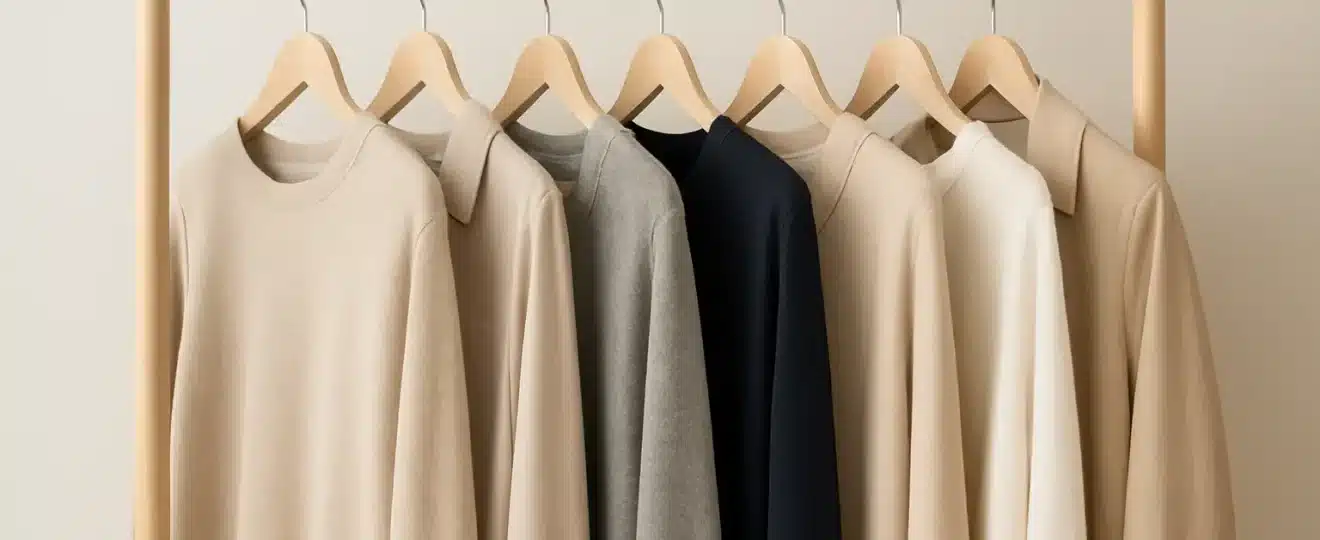
A neutral palette consists of colors that pair effortlessly with most other hues. These shades are subtle, understated, and never overpowering, making them the perfect base for any wardrobe. Common neutrals include black, white, gray, beige, taupe, navy, and brown. Each neutral has unique characteristics that can complement different skin tones and personal styles.
- Black: Timeless and elegant, black is universally flattering and adds a touch of sophistication.
- White: Crisp and clean, white brightens any outfit and works well in all seasons.
- Gray: A versatile alternative to black, gray comes in various shades from light to charcoal, suiting many undertones.
- Beige & Taupe: Warm and approachable, these colors evoke a sense of comfort and blend easily with other neutrals.
- Navy: Deep and classic, navy offers a softer alternative to black and flatters most complexions.
- Brown: Earthy and rich, brown pairs well with both warm and cool colors.
Choosing the right mix of these neutrals ensures your wardrobe remains cohesive and easy to style throughout the year.
Cool vs Warm Neutrals: What’s the Difference?
One of the most important aspects of learning how to pick the right neutral colors for your wardrobe is understanding the distinction between cool and warm neutrals. This knowledge helps you select shades that enhance your natural coloring and harmonize with your existing clothes.
Cool Neutrals
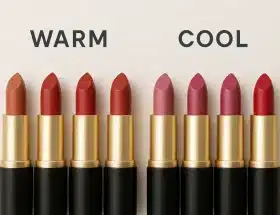
Cool neutrals have blue, green, or pink undertones. They typically suit people with cool undertones in their skin, hair, and eyes. Examples include:
- Charcoal gray
- Pure white
- Cool beige (with a grayish tint)
- Stone gray
- Soft navy
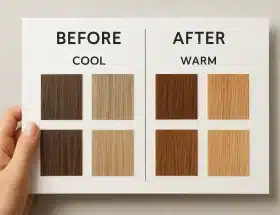
Wearing cool neutrals can give your complexion a fresh, vibrant appearance and prevent your skin from looking sallow or dull.
Warm Neutrals
Warm neutrals have yellow, orange, or red undertones. These shades flatter individuals with warm undertones in their complexion. Popular warm neutrals include:
- Creamy ivory
- Warm beige
- Caramel or camel
- Chocolate brown
- Olive or khaki
Warm neutrals add a sense of depth and radiance, enhancing the natural warmth in your skin tone.
How to Determine Your Undertone
- Look at the veins on your wrist: blue or purple veins suggest cool undertones, while greenish veins indicate warm undertones.
- Notice how your skin reacts to jewelry: silver flatters cool undertones, while gold looks best on warm undertones.
- Observe your skin’s reaction to sunlight: cool undertones tend to burn easily, while warm undertones tan more readily.
Understanding your undertone will guide you in how to pick the right neutral colors for your wardrobe, ensuring every piece you choose enhances your natural beauty.
Building Basics: Essential Neutrals for Every Wardrobe
Once you know your ideal neutral palette, it’s time to build the basics. The foundation of a versatile wardrobe lies in carefully selected neutral pieces that can be mixed and matched for countless outfit combinations.
Key Neutral Wardrobe Essentials
- Neutral Tops: Classic t-shirts, blouses, and sweaters in your chosen neutral shades.
- Bottoms: Tailored trousers, jeans, and skirts in black, navy, gray, or beige.
- Outerwear: A neutral blazer, trench coat, or cardigan elevates any look and provides layering options.
- Shoes: Invest in comfortable, high-quality shoes in versatile neutrals like nude, tan, or black.
- Accessories: Scarves, belts, and bags in matching neutrals pull your outfits together seamlessly.
Start with a few core pieces in your best neutral shades, then gradually expand your collection. This approach ensures that every new addition complements what you already own, reducing clutter and maximizing outfit potential.
Tips for Mixing and Matching Neutrals
Mastering how to pick the right neutral colors for your wardrobe is only the beginning. To achieve a polished and cohesive look, it’s important to know how to combine different neutrals effectively.
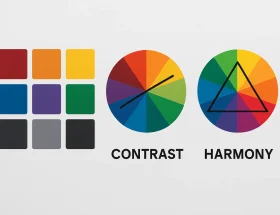
- Pair light and dark neutrals for contrast and visual interest.
- Mix textures, such as pairing a chunky knit sweater with smooth cotton pants, to keep neutral outfits from looking flat.
- Layer multiple neutral tones within the same color family for a sophisticated monochromatic effect.
- Add subtle pops of color through accessories or makeup to personalize neutral ensembles.
- Pay attention to undertones—ensure your cool and warm neutrals don’t clash in a single outfit.
With these strategies, your wardrobe remains stylish, modern, and effortlessly adaptable to any occasion.
Conclusion: Elevate Your Style with the Right Neutrals
Selecting the perfect neutral palette is a powerful way to simplify your style and create a wardrobe that works for you. By understanding the difference between cool and warm neutrals, identifying your unique undertone, and investing in essential pieces, you’ll find that getting dressed each day becomes both easier and more enjoyable. Remember, learning how to pick the right neutral colors for your wardrobe is an investment in your personal and professional presentation.
If you want to discover your ideal color palette and truly transform your appearance with professional guidance, start now: www.vanessabento.com.br