Face Shape Analysis for Better Styling is the essential first step for anyone aiming to elevate their personal image with confidence and precision. Understanding your unique facial structure can unlock a world of tailored styling opportunities, ensuring every accessory, haircut, or makeup choice enhances your natural beauty.
Understanding Visagism: The Foundation of Personalized Styling
Visagism is a methodology that focuses on harmonizing your appearance by taking into account your facial features, bone structure, and personality. This approach goes beyond trends, allowing for a customized look that truly reflects who you are. By applying visagism principles, you can select styles that complement your face shape, highlight your strengths, and express your individuality.
The Origins and Principles of Visagism
Developed by French hairdresser Fernand Aubry, visagism combines art and science to create a holistic approach to beauty. The term comes from the French word “visage,” meaning face. Its core principle is that each face is unique, and styling should enhance rather than mask natural features. Key elements include symmetry, proportion, and balance, all of which are crucial in determining the most flattering looks for each person.
- Customized solutions over one-size-fits-all trends
- Emphasis on self-expression and confidence
- Integration of hairstyle, makeup, and accessories
Face Shape Analysis for Better Styling: The Step-by-Step Test
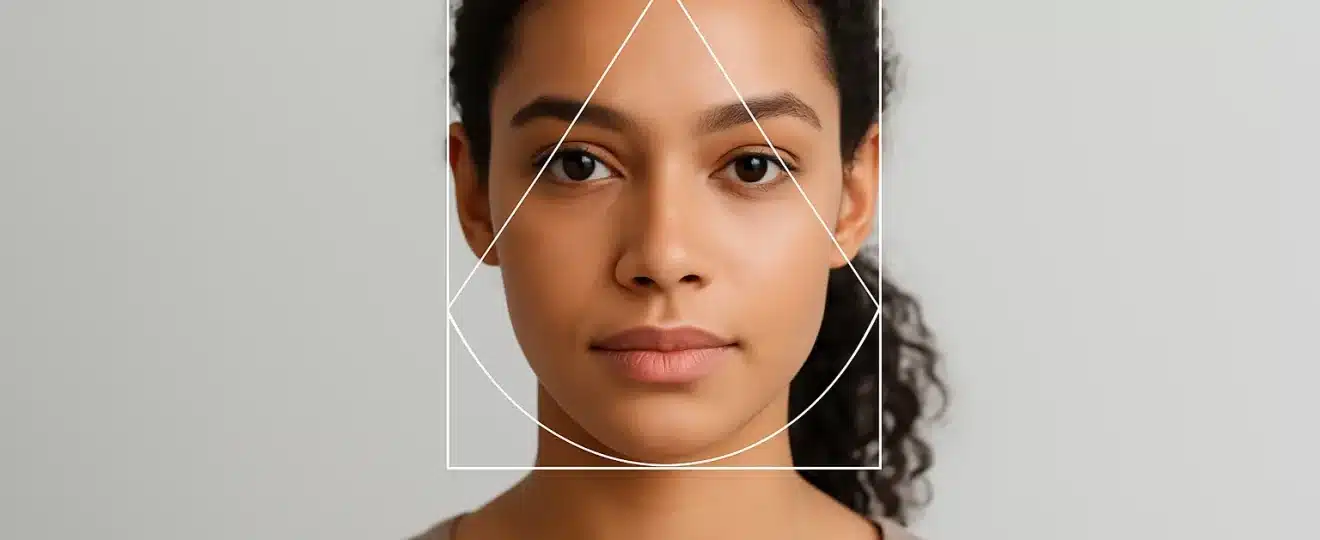
Accurate face shape analysis is the cornerstone of better styling. To determine your face shape, follow a few simple steps that involve measuring and observing key facial features. This process will help you identify whether your face is oval, round, square, heart, diamond, or oblong, each requiring different styling approaches.
How to Measure Your Face
You’ll need a flexible measuring tape and a mirror. Stand in front of the mirror and record the following measurements:
- Forehead width: Measure across the broadest part of your forehead.
- Cheekbone width: Measure from one cheekbone to the other, passing below your eyes.
- Jawline width: Measure across the widest point of your jawline.
- Face length: Measure from the center of your hairline down to the tip of your chin.
With these numbers, compare the proportions to determine your face shape. For example, if your face length is about the same as the width and your jawline is soft, you likely have a round face. If your forehead is wider than your jawline and your chin is pointed, you may have a heart-shaped face.
Common Face Shapes and Their Characteristics
- Oval: Balanced proportions, slightly wider cheekbones, gently rounded jawline.
- Round: Face length and width are similar, with soft, curved lines.
- Square: Strong jawline, broad forehead, and cheekbones of similar width.
- Heart: Wider forehead, prominent cheekbones, narrow chin.
- Diamond: Narrow forehead and jawline, wider cheekbones.
- Oblong: Face length is greater than width, with a long, straight cheek line.
Styling Tips Based on Face Shape Analysis
Once you have completed your face shape analysis for better styling, you can start applying targeted tips to enhance your appearance. Each face shape benefits from specific haircuts, makeup techniques, and accessories that balance proportions and highlight your best features.
Hairstyle Recommendations
- Oval: Most styles flatter this shape; experiment with layers or waves for added volume.
- Round: Opt for styles that add height and length, like layered cuts or side parts.
- Square: Soften strong angles with soft layers, waves, or side-swept bangs.
- Heart: Try chin-length bobs or side-swept fringes to balance a wider forehead.
- Diamond: Add width at the forehead or chin with layered cuts or textured styles.
- Oblong: Choose bangs and curls to create the illusion of width and reduce length.
Makeup Techniques
- Oval: Highlight cheekbones and use blush to add dimension.
- Round: Contour along the jawline and temples to create angles.
- Square: Soften the jaw with rounded blush and highlight the center of the face.
- Heart: Focus blush on the lower cheekbones and use highlighter on the chin.
- Diamond: Highlight the forehead and chin to balance the face.
- Oblong: Use blush along the cheeks and a soft contour on the forehead and chin.
Choosing Accessories
- Oval: Most earring and glasses shapes work well.
- Round: Choose angular earrings or frames to add definition.
- Square: Opt for round or oval accessories to soften angles.
- Heart: Teardrop earrings and cat-eye frames balance the face.
- Diamond: Oval or rimless glasses and curved earrings complement this shape.
- Oblong: Oversized or decorative accessories add width and interest.
Conclusion: Unlock Your Best Look with Face Shape Analysis for Better Styling
Embracing Face Shape Analysis for Better Styling empowers you to make informed choices that accentuate your natural features and reflect your personal style. By understanding visagism, accurately identifying your face shape, and applying tailored styling tips, you can achieve a harmonious and polished appearance that boosts your confidence every day.
If you want to discover your ideal color palette and truly transform your appearance with professional guidance, start now: www.vanessabento.com.br