
How to Find Your Color Season in 5 Easy Steps is the key to unlocking a wardrobe that truly flatters you. If you’ve ever wondered why certain colors make you glow while others seem to wash you out, understanding your color season can make shopping, dressing, and even makeup choices much easier and more enjoyable.
What Are Color Seasons?
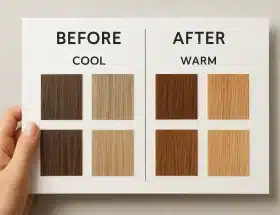
Color seasons are a practical system that groups people into four main categories: Spring, Summer, Autumn, and Winter. Each season is based on your skin undertone, natural hair color, and eye color. The goal is to help you find a palette of colors that enhances your natural features. This approach originated from color theory and has been modernized to suit diverse skin tones found across America today.
- Spring: Warm undertones, light hair, and clear eyes.
- Summer: Cool undertones, lighter hair, and soft eye colors.
- Autumn: Warm undertones, deeper hair, and rich eye colors.
- Winter: Cool undertones, dark hair, and striking eye colors.
This system is not about strict rules but about finding what helps you look and feel your best. Let’s break down how to find your color season quickly and simply.
How to Find Your Color Season in 5 Easy Steps
Discovering your color season doesn’t require complicated analysis. Follow these five easy steps to quickly determine your best color palette.
Step 1: Identify Your Skin Undertone
Look at the veins on your wrist in natural light. If they appear blue or purple, you likely have cool undertones. If they look greenish, you probably have warm undertones. Neutral undertones are a mix of both and can wear a broader range of colors.
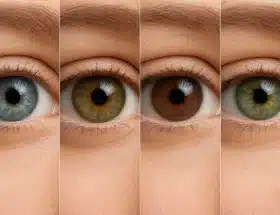
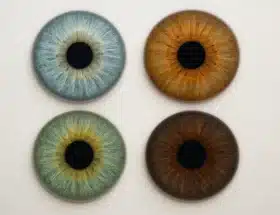
Step 2: Analyze Your Natural Hair and Eye Color
Take note of your natural hair and eye color. Lighter hair and eyes often indicate Spring or Summer seasons, while deeper shades suggest Autumn or Winter. For example, if you have golden brown hair and green eyes, you may lean toward Autumn.
Step 3: Perform Quick Color Testing
Hold up pieces of clothing or fabric in different colors near your face. Try pure white versus cream, or bright blue versus olive green. Notice which shades make your skin look vibrant and healthy, and which make you look tired or pale. This is an effective, practical way to see what works for you.
- If bright, icy colors look great, you may be a Winter.
- If soft, dusty pastels flatter you, Summer might be your season.
- If warm, earthy tones work best, Autumn could be right.
- If you shine in clear, warm colors like coral or peach, you’re likely a Spring.
Step 4: Consider Your Reaction to Gold and Silver
Try both gold and silver jewelry against your skin. If gold looks more flattering, you likely have warm undertones (Spring or Autumn). If silver is more complementary, you probably have cool undertones (Summer or Winter).
Step 5: Test with Natural Light
Always do your color testing in natural daylight. Artificial lighting can distort colors and make it harder to see what truly suits you. Step near a window, use a mirror, and compare how your skin reacts to different shades in real light.
Quick Testing Tips for Busy Lifestyles
If you’re always on the go, here are some practical tips to quickly test your colors without spending hours in front of the mirror:
- Carry a small scarf or swatch in your suspected best colors for quick checks while shopping.
- Take photos in natural light to compare how you look in different outfits.
- Ask a friend to give honest feedback—sometimes another perspective helps.
- Focus on the clothing pieces closest to your face, like tops and scarves, as these have the most impact.
Embracing American Skin Diversity in Color Seasons
America is beautifully diverse, and traditional color season charts don’t always capture the range of skin tones, hair colors, and eye shades found here. Modern color analysis recognizes that people of all backgrounds can fall into any season. For example, someone with deep skin and dark eyes may be a Winter, but they could also be an Autumn, depending on their undertone and how colors react with their complexion.
Don’t be discouraged if you don’t fit the classic examples. The key is observing how colors make you feel and look—healthy, rested, and full of life. Remember, color seasons are guidelines, not rigid boxes.
How to Use Your Color Season Everyday
Once you’ve figured out your season, it’s time to put it to practical use. Here’s how:
- Choose wardrobe basics in your season’s colors for effortless outfits.
- Pick makeup shades, especially lipstick and blush, that align with your palette.
- Update accessories like scarves and jewelry for an instant boost.
- Don’t be afraid to mix and match within your season for variety.
Sticking to your color season can save time and money, making shopping simpler and helping you build a wardrobe you love.
Conclusion: Your Journey to a Flattering Wardrobe
Learning How to Find Your Color Season in 5 Easy Steps is a practical way to enhance your style and confidence. By understanding your undertones, testing colors quickly, and considering the diversity of American skin tones, you can embrace a palette that’s uniquely yours. Remember, these steps are designed to be simple and adaptable—don’t stress about perfection. The most important thing is feeling good in what you wear.
If you want to discover your ideal color palette and truly transform your appearance with professional guidance, start now: www.vanessabento.com.br